
Have you ever noticed that your feet or ankles look swollen at the end of the day, especially after spending hours sitting at a desk or standing at work? Evening foot swelling is a common problem and may occur because fluid accumulates in the lower parts of the body throughout the day.
In many cases, the swelling is temporary and improves with rest. However, persistent or worsening swelling can sometimes indicate an underlying medical condition involving the heart, kidneys, liver, or veins.
Understanding the possible causes of swollen feet can help you recognise when simple lifestyle changes may be sufficient and when medical evaluation is necessary.
What Is Foot and Ankle Swelling?
Foot and ankle swelling is medically known as peripheral oedema (edema). It occurs when excess fluid collects in the tissues beneath the skin, causing the affected area to appear puffy or enlarged.
Common signs include:
- Swelling around the ankles, feet, or lower legs.
- Skin that appears stretched, tight, or shiny.
- A feeling of heaviness or discomfort in the legs.
- Shoes or socks feeling tighter than usual.
- A small indentation remaining in the skin after pressing the swollen area.
Swelling may affect one or both feet. Its location, severity, duration, and associated symptoms can help a doctor determine the underlying cause.
Why Do Feet Often Swell by Evening?
Gravity plays an important role in fluid accumulation in the lower limbs. When you remain standing or sitting for long periods, fluid can collect in the tissues of your feet and ankles.
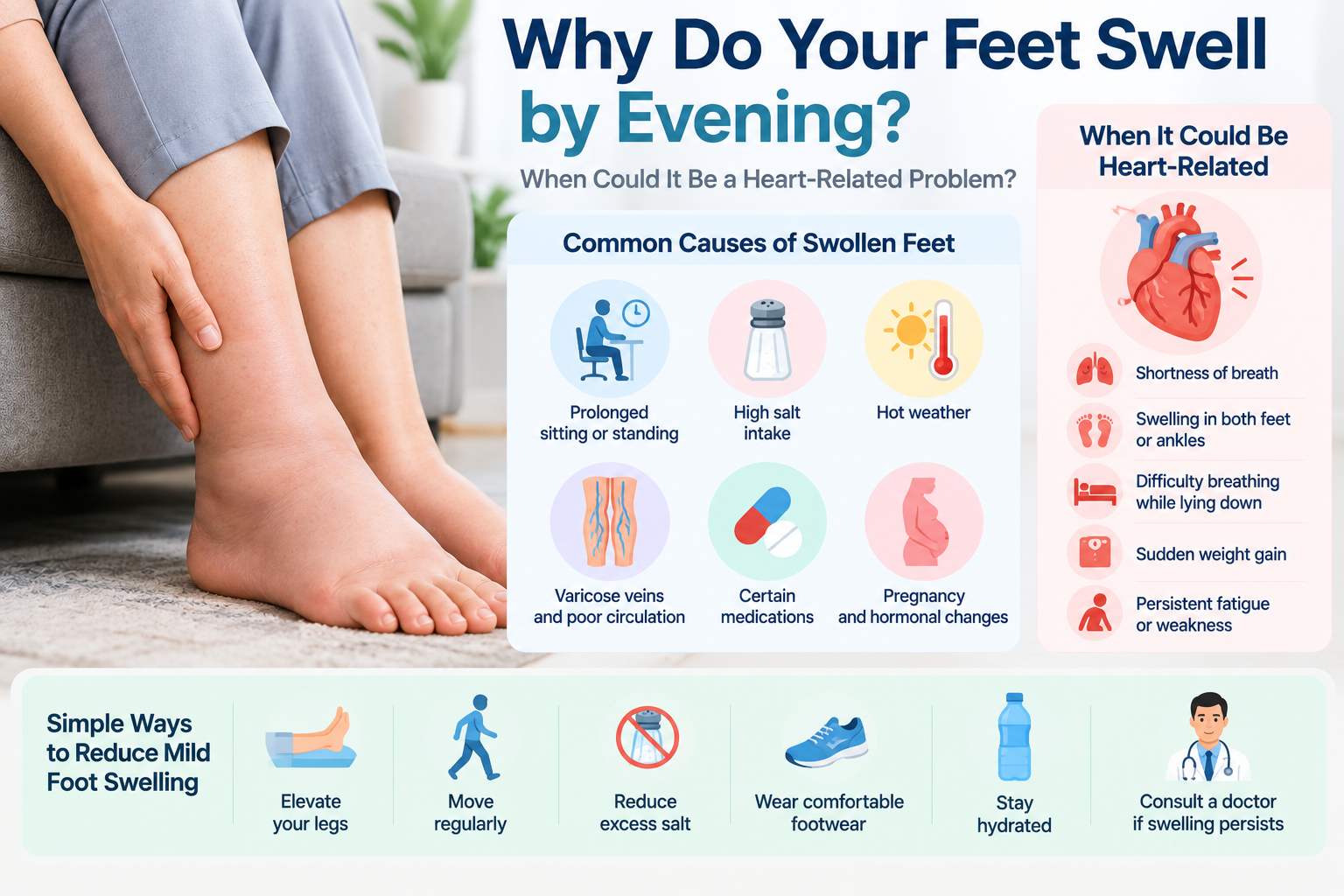
Several everyday factors may contribute to evening swelling.
1. Standing or Sitting for Long Hours
People who work at desks, drive for extended periods, or stand throughout the day may experience swelling because prolonged inactivity slows the return of blood from the legs towards the heart.
2. Eating Too Much Salt
Excessive sodium intake can encourage the body to retain water. Regularly consuming salty snacks, packaged foods, pickles, and processed meals may contribute to fluid retention in susceptible individuals.
3. Hot Weather
Warm temperatures can cause blood vessels to widen, sometimes making fluid accumulation in the lower limbs more noticeable.
4. Varicose Veins and Poor Venous Circulation
The veins in the legs contain valves that help blood travel towards the heart. When these valves do not function properly, blood may pool in the lower legs and cause swelling, heaviness, or aching.
5. Certain Medicines
Some medicines, including particular blood pressure drugs, anti-inflammatory painkillers, steroids, and hormonal medicines, may contribute to swelling.
If you suspect a medicine is responsible, speak with your doctor rather than stopping it yourself.
When Could Swollen Feet Be a Sign of a Heart Problem?
One possible cause of persistent foot and ankle swelling is heart failure. This condition occurs when the heart cannot pump blood effectively enough to meet the body’s needs.
When the heart’s pumping function is impaired, pressure can build up in the veins. Fluid may then move into surrounding tissues, particularly in the feet, ankles, and lower legs.
Swelling alone does not confirm a heart problem. However, it deserves particular attention when it occurs alongside other symptoms. American Heart Association
Warning Signs That May Suggest a Heart-Related Cause
1. Swelling in Both Feet or Ankles
Swelling that affects both lower legs and persists or gradually worsens may be associated with fluid retention caused by heart or other systemic conditions.
2. Shortness of Breath
Becoming unusually breathless while walking, climbing stairs, or performing routine activities may indicate a problem that requires medical assessment.
3. Difficulty Breathing While Lying Down
If you need extra pillows to breathe comfortably or frequently wake up at night feeling breathless, seek prompt medical evaluation.
4. Sudden Weight Gain
An unexplained increase in weight over a short period may reflect fluid accumulation rather than an increase in body fat. People with diagnosed heart failure should follow their clinician’s advice about monitoring weight.
5. Persistent Fatigue or Weakness
Feeling unusually tired, weak, or less able to complete everyday activities may occur when the heart is not supplying the body’s needs effectively.
6. Swelling Around the Abdomen
Fluid may also accumulate in the abdominal area, causing increased abdominal size, bloating, or discomfort.
If foot swelling occurs alongside breathlessness, sudden weight gain, or other new symptoms, arrange a medical assessment promptly. Severe breathing difficulty or chest pain requires emergency care.
Can Swollen Feet Be Caused by Something Other Than Heart Disease?
Yes. Several other conditions can cause swelling, and identifying the underlying cause is important.
| Possible cause | How it may contribute to swelling |
|---|---|
| Kidney disease | Impaired fluid and salt regulation can lead to fluid accumulation. |
| Liver disease | Reduced production of certain proteins and other changes can contribute to fluid buildup. |
| Venous insufficiency | Blood pools in the legs when the veins do not return it efficiently. |
| Deep vein thrombosis (DVT) | A blood clot may cause sudden swelling, often in one leg. |
| Pregnancy | Changes in circulation and fluid balance can cause swelling. |
| Medication side effects | Certain drugs can cause fluid retention or changes in circulation. |
| Prolonged inactivity | Sitting or standing for long periods can encourage fluid accumulation. |
These conditions may produce similar symptoms, so a medical examination is more reliable than trying to identify the cause from swelling alone. Mayo Clinic
When Should You See a Doctor for Swollen Feet?
Occasional mild swelling after prolonged standing may improve with movement and rest. However, do not ignore swelling that is persistent, unexplained, or becoming more severe.
Arrange a medical consultation if:
- Your feet or ankles remain swollen for several days.
- Swelling repeatedly returns or progressively worsens.
- You have a known heart, kidney, or liver condition.
- You notice unexplained weight gain or reduced exercise tolerance.
- Swelling is accompanied by unusual tiredness or breathlessness during normal activities.
Seek emergency medical care if swelling occurs with chest pain, severe difficulty breathing, fainting, or coughing up blood. Sudden swelling in one leg, particularly with pain, warmth, or redness, also needs urgent assessment because it may indicate a blood clot. NHS
How Do Doctors Find the Cause of Foot Swelling?
Your doctor may ask when the swelling started, whether it affects one or both legs, which medicines you take, and whether you have other symptoms.
Depending on the findings, investigations may include:
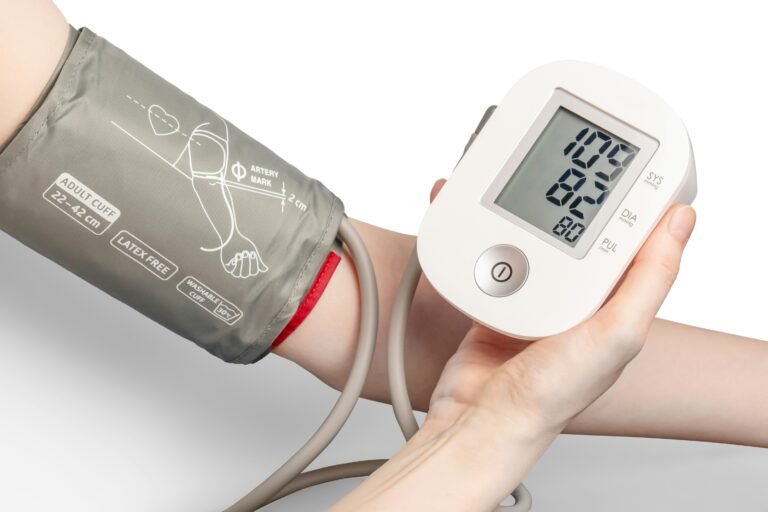
- Blood pressure measurement: To assess blood pressure and cardiovascular risk.
- Blood tests: To evaluate kidney function, liver function, and other possible causes.
- Urine tests: To look for protein or other signs of kidney problems.
- ECG: To assess the heart’s electrical activity.
- Echocardiogram: To examine the heart’s structure and pumping function when indicated.
- Ultrasound of the leg veins: To investigate suspected venous disease or a blood clot.
Not everyone needs every test. The appropriate investigations depend on your symptoms, medical history, and physical examination.
What Can You Do to Reduce Mild Evening Foot Swelling?
If the swelling is mild and there are no warning signs, the following measures may help:
- Elevate your legs: Rest with your feet raised on pillows when possible.
- Move regularly: Take short walking breaks and avoid remaining in the same position for extended periods.
- Reduce excess salt: Limit very salty packaged foods and avoid adding unnecessary salt to meals.
- Wear comfortable footwear: Choose shoes that do not squeeze your feet or ankles.
- Monitor changes: Notice whether swelling improves overnight or becomes more frequent and severe.
- Review your medicines with a doctor: Ask whether any prescribed medicine could be contributing to the problem.
Avoid taking water tablets or diuretics without medical advice. Compression stockings may be useful for certain causes of swelling, but a healthcare professional should advise whether they are appropriate for you.
Frequently Asked Questions
1. Is it normal for feet to swell at the end of the day?
Mild swelling can occur after prolonged standing or sitting and may improve overnight. Frequent, persistent, painful, or worsening swelling should be medically assessed.
2. Does swelling in both feet always mean heart failure?
No. Swelling in both feet can result from several conditions, including venous insufficiency, kidney disease, medication effects, and prolonged inactivity. Additional symptoms and appropriate tests help determine the cause.
3. Can high blood pressure cause swollen feet?
High blood pressure itself does not usually directly cause foot swelling, but long-standing hypertension can damage the heart and kidneys. Some blood pressure medicines can also cause ankle swelling.
4. Should I worry if one foot suddenly becomes swollen?
Sudden swelling affecting one leg or foot, especially with pain, redness, or warmth, needs urgent medical evaluation. A blood clot is one possible cause and must be ruled out when suspected.
5. Which doctor should I consult for swollen feet?
A general physician can perform the initial evaluation and recommend further tests or referral to a cardiologist, nephrologist, or another specialist if necessary.
Conclusion
Feet that swell by evening may be reacting to long hours of standing, sitting, warm weather, or excess salt intake. However, persistent swelling can also be a sign of an underlying heart, kidney, liver, or circulation problem.
Pay attention to accompanying symptoms such as breathlessness, unusual fatigue, sudden weight gain, or swelling that continues to worsen. Early medical evaluation can help identify the cause and guide appropriate treatment.
If you are experiencing persistent foot or ankle swelling, consult a qualified healthcare professional at Shahasta Clinic for an assessment based on your symptoms and medical history.
Medical disclaimer: This article is for general educational purposes and does not replace professional medical advice, diagnosis, or treatment.