
A sudden rise in blood pressure can be alarming, especially if you experience symptoms like a severe headache, dizziness, blurred vision, or anxiety. While many temporary blood pressure spikes aren’t immediately life-threatening, significantly elevated blood pressure can become a medical emergency if left untreated.
Knowing how to respond calmly and safely at home can help reduce your blood pressure while you arrange prompt medical care. However, home measures should never replace professional medical evaluation, particularly if your blood pressure remains very high or you develop concerning symptoms.
What Is a Sudden Blood Pressure Spike?
A blood pressure spike is a temporary increase in blood pressure that may occur due to stress, pain, anxiety, excessive caffeine, certain medications, or underlying health conditions.
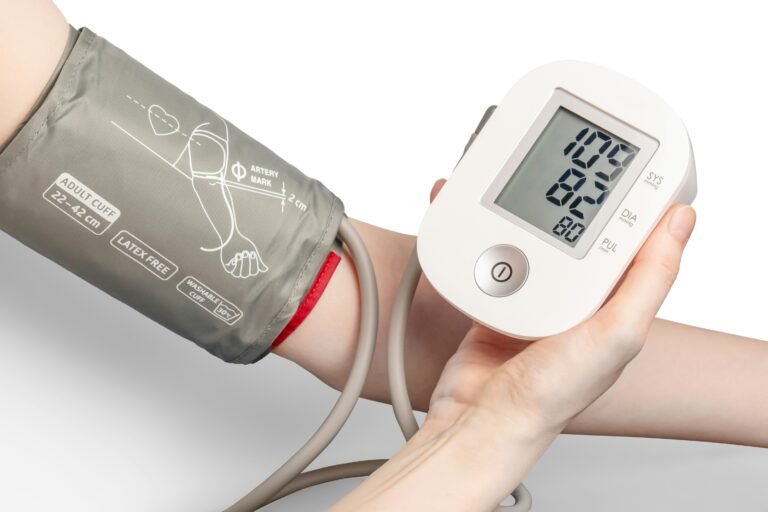
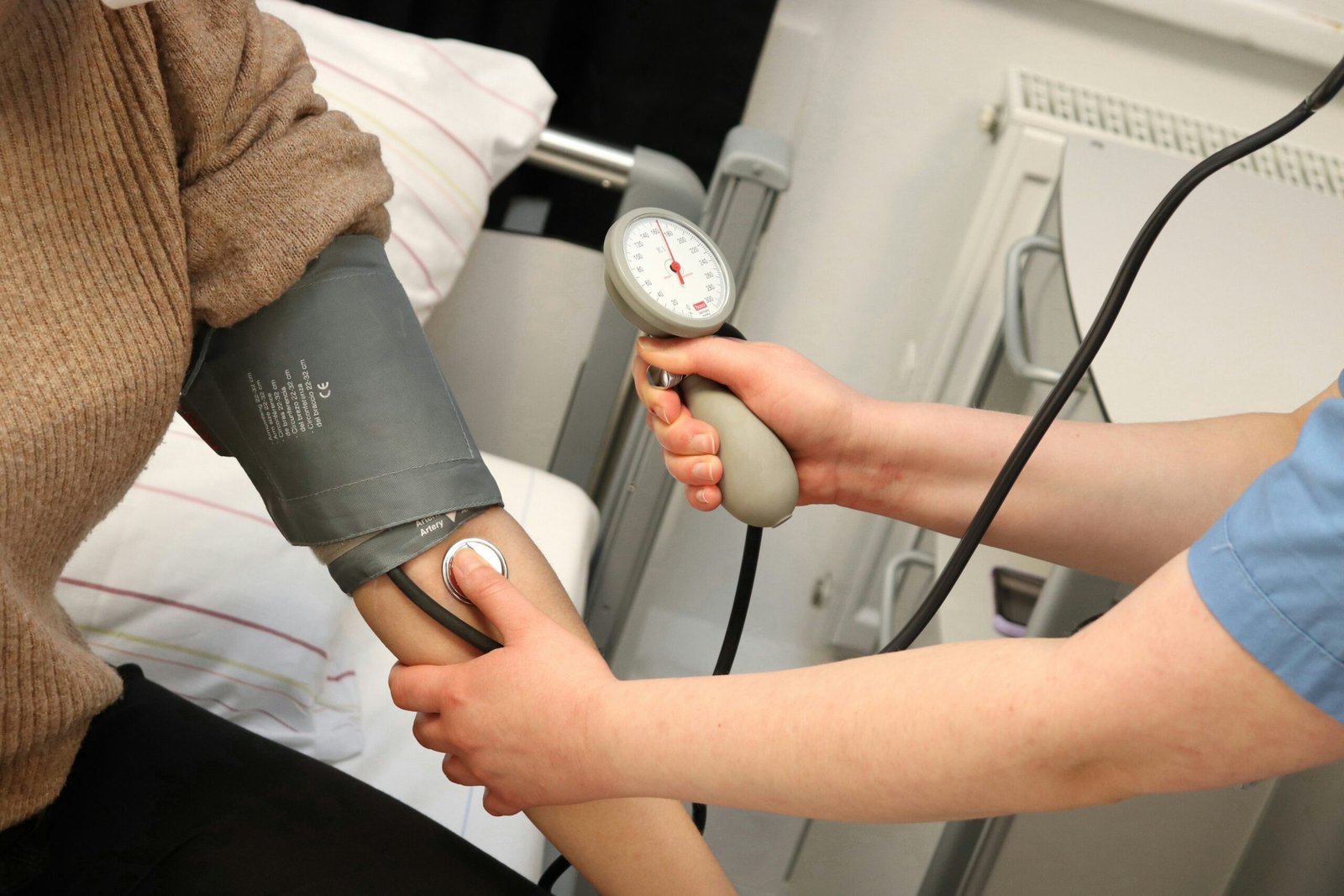
Blood pressure is measured using two numbers:
- Systolic (top number): Pressure when your heart beats.
- Diastolic (bottom number): Pressure when your heart relaxes.
A single elevated reading doesn’t always mean you have chronic hypertension, but consistently high readings require medical evaluation.
Common Causes of Sudden Blood Pressure Spikes
Several factors can temporarily raise blood pressure, including:
- Emotional stress or panic attacks
- Severe pain
- Excessive caffeine intake
- Smoking or nicotine use
- High-sodium meals
- Poor sleep
- Missing prescribed blood pressure medication
- Certain cold medicines or decongestants
- Kidney disease or hormonal disorders
Symptoms That May Accompany a Blood Pressure Spike
Many people experience no symptoms, even when blood pressure is high. Others may notice:
- Severe headache
- Dizziness
- Blurred vision
- Facial flushing
- Nosebleeds
- Heart palpitations
- Anxiety
- Shortness of breath
These symptoms aren’t specific to high blood pressure alone and should be evaluated by a healthcare professional.
Step 1: Stay Calm
Anxiety can temporarily increase blood pressure even further.
If you notice a high reading:
- Sit comfortably in a quiet room.
- Avoid rushing or panicking.
- Loosen tight clothing.
- Focus on slow, steady breathing.
Step 2: Check Your Blood Pressure Again
An isolated high reading may not reflect your true blood pressure.
To get a more accurate reading:
- Rest quietly for 5–10 minutes.
- Keep both feet flat on the floor.
- Rest your arm at heart level.
- Avoid talking during the measurement.
- Take two readings one minute apart.
Record the results to share with your doctor.
Step 3: Practice Slow Deep Breathing
Controlled breathing may help reduce stress and modestly lower blood pressure.
Try this technique:
- Inhale slowly through your nose for 4 seconds.
- Hold your breath for 2 seconds.
- Exhale gently through your mouth for 6 seconds.
- Repeat for 5–10 minutes.
Avoid hyperventilating or forcing your breathing.
Step 4: Avoid Caffeine, Alcohol, and Smoking
If your blood pressure is elevated:
- Skip coffee and energy drinks.
- Avoid alcohol until you’ve spoken with your healthcare provider.
- Do not smoke or use nicotine products.
These substances may worsen temporary blood pressure elevations.
Step 5: Take Your Prescribed Medication
If you’ve been prescribed blood pressure medication:
- Take it exactly as directed.
- If you accidentally missed a dose, follow the instructions provided by your doctor or pharmacist. Do not double up on doses unless you’ve been specifically told to do so.
- Do not take extra blood pressure medication in an attempt to lower your blood pressure quickly unless instructed by a healthcare professional.
Step 6: Drink Water if You’re Dehydrated
Dehydration can contribute to blood pressure fluctuations in some people.
Drink a glass of water if you haven’t been drinking enough fluids, unless your doctor has advised you to limit fluid intake due to heart failure, kidney disease, or another medical condition.
Step 7: Rest Instead of Exercising
Although regular exercise helps control blood pressure over time, don’t start exercising during a sudden blood pressure spike, especially if you’re feeling unwell.
Instead:
- Sit or lie down comfortably.
- Avoid strenuous activity until you’ve been medically assessed if your blood pressure remains high.
Foods That May Support Healthy Blood Pressure
Long-term dietary habits are more effective than quick fixes.
Foods that support healthy blood pressure include:
- Leafy green vegetables
- Bananas
- Oranges
- Oats
- Beans
- Low-fat dairy
- Nuts and seeds
- Salmon and other oily fish
Reducing sodium intake and limiting highly processed foods also plays an important role.
When Is High Blood Pressure an Emergency?
Seek emergency medical care immediately if:
- Your blood pressure is 180/120 mmHg or higher, especially if it remains elevated after repeating the measurement.
- You have chest pain.
- You experience shortness of breath.
- You have confusion, trouble speaking, or sudden weakness or numbness.
- You notice vision loss or significant vision changes.
- You develop a severe, sudden headache, particularly if it’s unlike your usual headaches.
These symptoms may indicate a hypertensive emergency or another serious medical condition requiring urgent treatment.
When Should You Schedule a Doctor’s Appointment?
Arrange an appointment with a general physician if:
- Your home readings are consistently 130/80 mmHg or higher.
- You frequently experience blood pressure spikes.
- Your medication doesn’t seem to be controlling your blood pressure.
- You have diabetes, kidney disease, or heart disease.
- You have a strong family history of hypertension.
Your doctor may recommend additional testing, medication adjustments, or lifestyle changes.
Long-Term Ways to Prevent Blood Pressure Spikes
Healthy daily habits can reduce the likelihood of sudden increases:
- Eat a balanced, low-sodium diet.
- Exercise regularly (after medical clearance if needed).
- Maintain a healthy weight.
- Limit alcohol.
- Quit smoking.
- Manage stress through relaxation techniques.
- Get 7–9 hours of quality sleep.
- Take prescribed medications consistently.
- Monitor your blood pressure at home if recommended.
Final Thoughts
A sudden blood pressure spike can be frightening, but staying calm and following safe home measures can help while you arrange medical care. Rest, recheck your blood pressure after a few minutes, practice slow breathing, avoid stimulants, and continue taking prescribed medications as directed.
Remember that home management is only a temporary measure. If your blood pressure remains extremely high or you develop symptoms such as chest pain, difficulty breathing, confusion, severe headache, or vision changes, seek emergency medical care immediately. Early treatment can help prevent serious complications and protect your long-term heart health.