
Blood pressure is one of the most important indicators of your heart health, yet many people don’t fully understand what the numbers on a blood pressure reading mean. Whether you’re checking your blood pressure at home or during a routine doctor’s visit, knowing how to interpret the results can help you take control of your cardiovascular health.
High blood pressure often develops without noticeable symptoms, earning it the nickname “the silent killer.” Understanding your blood pressure numbers can help detect problems early and reduce your risk of heart disease, stroke, kidney disease, and other serious health conditions.
What Is Blood Pressure?
Blood pressure measures the force of blood pushing against the walls of your arteries as your heart pumps.
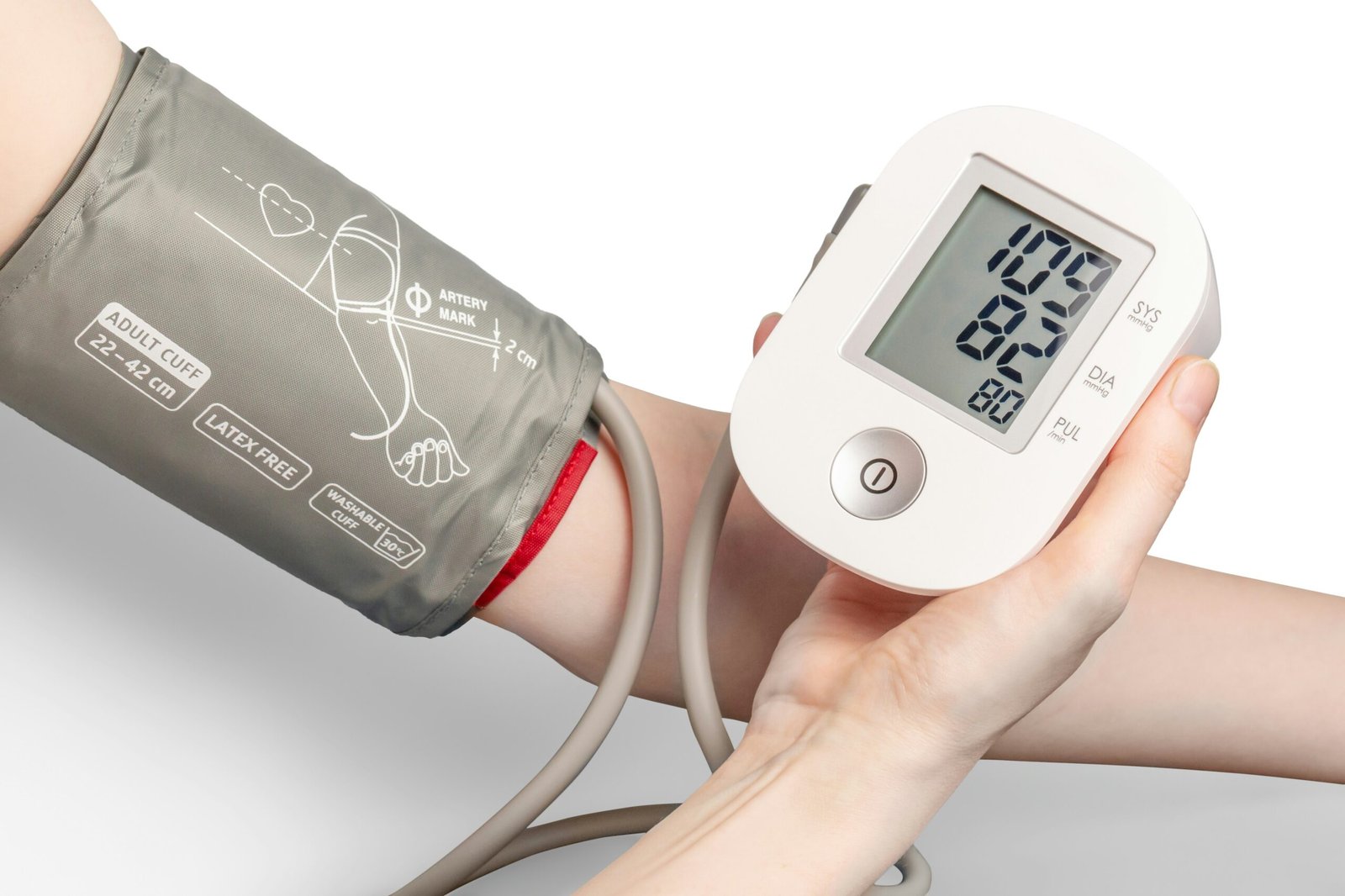
A blood pressure reading consists of two numbers, written as:
120/80 mmHg
- Systolic Pressure (Top Number): The pressure in your arteries when your heart beats.
- Diastolic Pressure (Bottom Number): The pressure in your arteries when your heart rests between beats.
Both numbers are important in determining your overall heart health.
Understanding Blood Pressure Categories
The following categories are commonly used for adults:
| Category | Systolic (mmHg) | Diastolic (mmHg) |
|---|---|---|
| Normal | Less than 120 | Less than 80 |
| Elevated | 120–129 | Less than 80 |
| High Blood Pressure (Stage 1) | 130–139 | 80–89 |
| High Blood Pressure (Stage 2) | 140 or higher | 90 or higher |
| Hypertensive Crisis* | Higher than 180 | Higher than 120 |
*If your reading is 180/120 mmHg or higher, especially if accompanied by symptoms such as chest pain, shortness of breath, severe headache, confusion, vision changes, or weakness, seek immediate medical attention.
What Is Considered Normal Blood Pressure?
A healthy blood pressure is generally:
Less than 120/80 mmHg
People with normal blood pressure have a lower risk of heart disease and stroke, especially when combined with healthy lifestyle habits.
What Does Elevated Blood Pressure Mean?
If your blood pressure consistently falls between:
- Systolic: 120–129 mmHg
- Diastolic: Less than 80 mmHg
You have elevated blood pressure.
While this isn’t hypertension yet, it’s a warning sign that your blood pressure may continue to rise if lifestyle changes aren’t made.
Understanding High Blood Pressure (Hypertension)
Hypertension occurs when blood pressure remains consistently above normal.
Stage 1 Hypertension
- Systolic: 130–139 mmHg
- Diastolic: 80–89 mmHg
At this stage, your doctor may recommend lifestyle changes and, depending on your overall cardiovascular risk, medication.
Stage 2 Hypertension
- Systolic: 140 mmHg or higher
- Diastolic: 90 mmHg or higher
Stage 2 hypertension often requires both lifestyle modifications and prescription medication.
Common Symptoms of High Blood Pressure
Most people with high blood pressure experience no symptoms, which is why regular screening is essential.
In severe cases, symptoms may include:
- Severe headaches
- Blurred vision
- Chest pain
- Shortness of breath
- Dizziness
- Nosebleeds (less common)
- Irregular heartbeat
These symptoms can also have other causes, but if they occur with very high blood pressure, seek prompt medical evaluation.
What Causes High Blood Pressure?
Several factors increase the risk of hypertension.
Lifestyle Factors
- High-sodium diet
- Lack of physical activity
- Obesity
- Smoking
- Excessive alcohol consumption
- Chronic stress
- Poor sleep
Medical Conditions
- Diabetes
- Kidney disease
- Sleep apnea
- Thyroid disorders
- Certain medications
Other Risk Factors
- Family history
- Older age
- Being overweight
- High cholesterol
Can Low Blood Pressure Be a Problem?
Low blood pressure (hypotension) is generally considered below 90/60 mmHg.
Some people naturally have low blood pressure without any problems. However, it can become concerning if it causes symptoms such as:
- Dizziness
- Fainting
- Blurred vision
- Fatigue
- Confusion
Persistent or symptomatic low blood pressure should be evaluated by a healthcare professional.
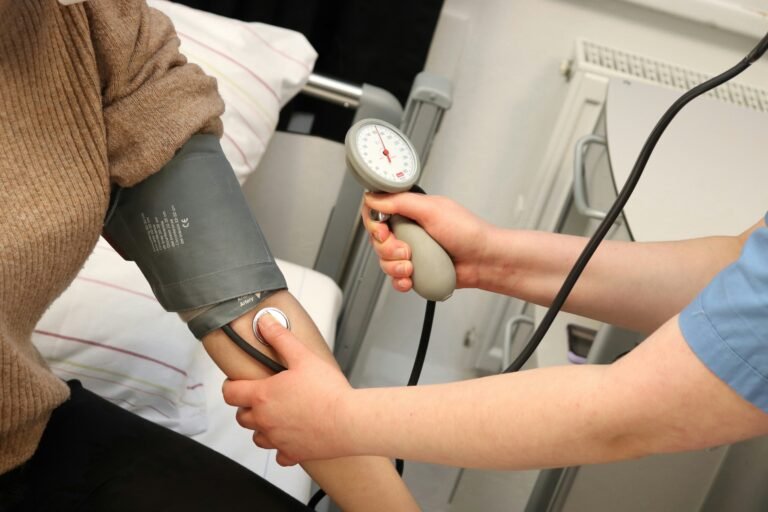
How to Measure Blood Pressure Correctly
For accurate readings:
- Rest quietly for at least 5 minutes before measuring.
- Sit with your back supported.
- Keep both feet flat on the floor.
- Rest your arm at heart level.
- Avoid caffeine, smoking, or exercise for at least 30 minutes beforehand.
- Use a properly fitting blood pressure cuff.
- Take two readings one minute apart and record both.
Home blood pressure monitoring can help identify patterns over time, but it should complement—not replace—medical advice.
How to Keep Blood Pressure Healthy
Eat a Heart-Healthy Diet
Focus on:
- Fruits and vegetables
- Whole grains
- Lean proteins
- Beans and legumes
- Low-fat dairy
- Healthy fats like olive oil and nuts
Reduce sodium by limiting processed and packaged foods.
Stay Active
Aim for at least 150 minutes of moderate exercise per week, such as:
- Brisk walking
- Cycling
- Swimming
- Dancing
Maintain a Healthy Weight
Even modest weight loss can significantly improve blood pressure in people who are overweight.
Limit Alcohol
Drink alcohol in moderation, if at all.
Quit Smoking
Stopping smoking improves overall cardiovascular health and lowers the risk of heart disease.
Manage Stress
Helpful strategies include:
- Meditation
- Deep breathing exercises
- Yoga
- Spending time outdoors
- Regular relaxation breaks
Get Enough Sleep
Adults should aim for 7–9 hours of quality sleep each night, as poor sleep can contribute to high blood pressure.
When Should You See a Doctor?
Schedule an appointment if:
- Your home readings are consistently 130/80 mmHg or higher.
- Your blood pressure remains elevated over several days or weeks.
- You experience symptoms such as dizziness, chest discomfort, or persistent headaches.
- You have diabetes, kidney disease, or a family history of heart disease.
Seek emergency medical care immediately if your blood pressure is 180/120 mmHg or higher, particularly if accompanied by chest pain, difficulty breathing, confusion, weakness, severe headache, or vision changes.
Final Thoughts
Understanding your blood pressure numbers is one of the simplest yet most powerful ways to protect your heart and overall health. Because high blood pressure often develops without obvious symptoms, regular monitoring is essential—even if you feel perfectly well.
Healthy eating, regular physical activity, stress management, quality sleep, and routine medical check-ups can all help maintain healthy blood pressure and reduce your risk of serious complications. If your readings are consistently outside the normal range, don’t ignore them. Early action can make a significant difference in your long-term health.