
Have you ever stood up quickly and suddenly felt lightheaded, unsteady, or as though the room were briefly spinning? Occasional dizziness after standing can happen to anyone. But if it happens frequently, lasts longer than a few seconds, or is accompanied by fainting or other symptoms, it may be a sign that something needs medical attention.
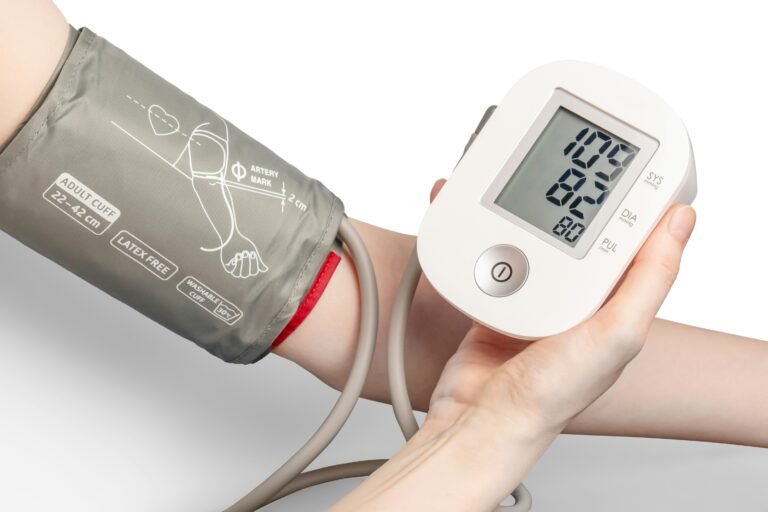
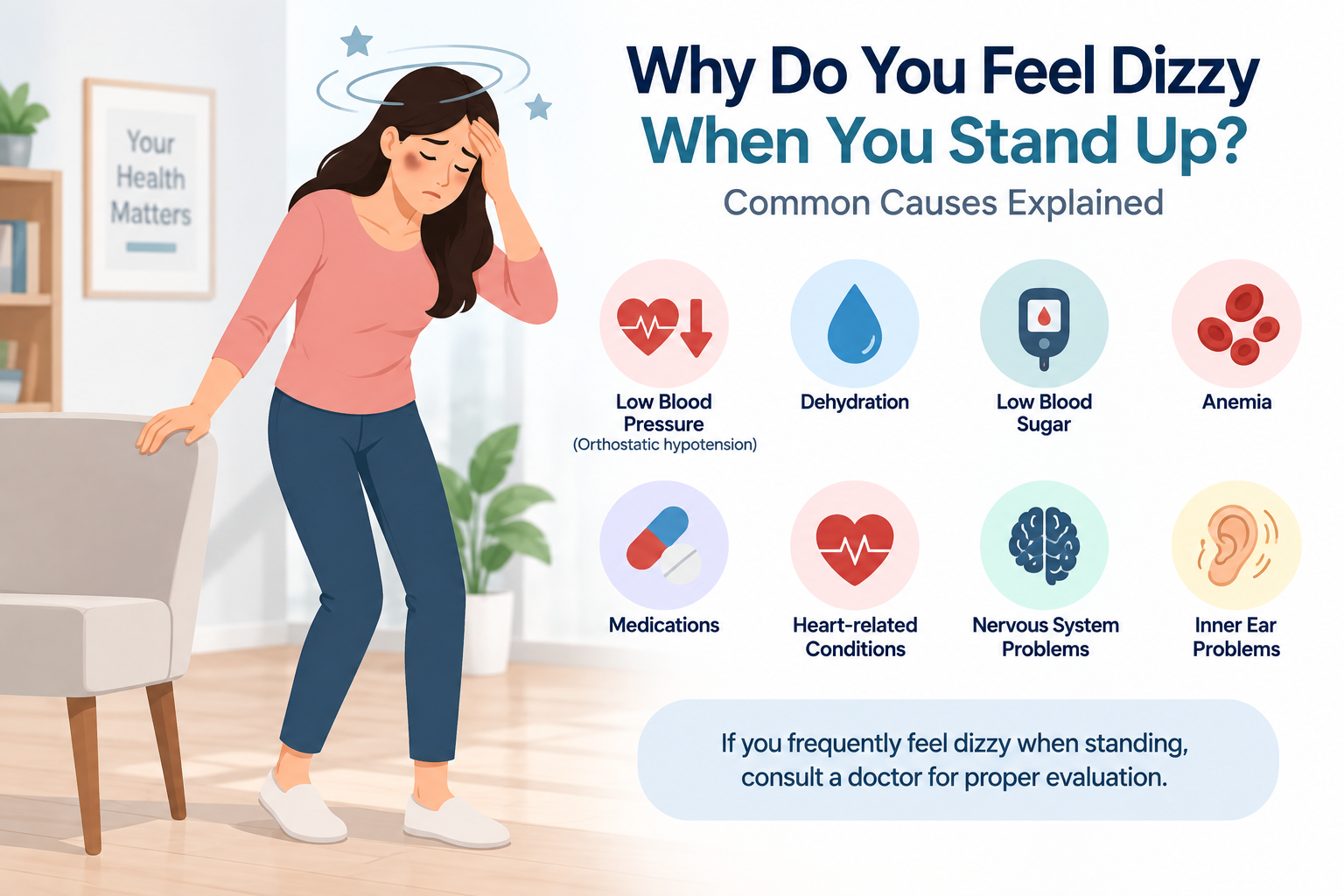
One common cause is orthostatic hypotension, a temporary drop in blood pressure that occurs when you move from sitting or lying down to standing. However, dehydration, anemia, medications, heart problems, and other conditions can also cause dizziness.
Understanding the possible causes can help you recognize when a simple lifestyle adjustment may help and when it’s time to consult a doctor.
What Happens to Your Body When You Stand Up?
When you stand, gravity causes some blood to temporarily move toward your legs. Your body normally compensates by increasing your heart rate slightly and tightening blood vessels so enough blood continues reaching your brain.
If this adjustment doesn’t happen quickly enough, your blood pressure can fall temporarily. This can make you feel:
- Lightheaded
- Dizzy
- Weak
- Unsteady
- Faint or close to fainting
- Blurry or dim vision
This is often referred to as orthostatic or postural hypotension.
1. Orthostatic Hypotension
Orthostatic hypotension occurs when blood pressure falls significantly after standing.
It may be more likely in people who:
- Are dehydrated
- Have been resting in bed for a long time
- Take certain blood pressure or diuretic medications
- Have diabetes
- Have certain neurological conditions
- Are older adults
Occasional brief symptoms aren’t necessarily dangerous, but repeated episodes should be discussed with a healthcare professional.
2. Dehydration
Not drinking enough fluids can reduce blood volume and make it harder for your body to maintain blood pressure when you stand.
Dehydration may occur because of:
- Hot weather
- Excessive sweating
- Fever
- Vomiting or diarrhea
- Heavy exercise
- Inadequate fluid intake
You may also notice thirst, dry mouth, dark urine, fatigue, or headache.
If you have been advised to restrict fluids because of a heart or kidney condition, don’t increase your fluid intake without speaking to your doctor.
3. Low Blood Sugar
Dizziness isn’t always caused by blood pressure.
Low blood sugar can cause:
- Shakiness
- Sweating
- Weakness
- Hunger
- Confusion
- Fast heartbeat
- Lightheadedness
People taking insulin or certain diabetes medications are particularly susceptible to hypoglycemia.
If you frequently feel dizzy after skipping meals, discuss the pattern with your healthcare provider.
4. Anemia or Low Hemoglobin
Anemia occurs when the blood doesn’t have enough healthy red blood cells or hemoglobin to carry oxygen efficiently.
Common symptoms include:
- Fatigue
- Weakness
- Pale skin
- Shortness of breath with activity
- Headaches
- Dizziness or lightheadedness
Iron deficiency is a common cause, but anemia can have many different causes. A blood test such as a complete blood count (CBC) can help determine whether anemia is present.
5. Certain Medications
Some medications can lower blood pressure or affect your body’s ability to regulate it when you stand.
Examples can include:
- Blood pressure medications
- Diuretics
- Some antidepressants
- Certain medications for Parkinson’s disease
- Some medications that affect blood vessels
If dizziness began after starting or changing a medication, speak with your doctor. Don’t stop prescription medication on your own.
6. Heart-Related Problems
Certain heart conditions can make it difficult for the body to maintain adequate blood flow when you change position.
Dizziness may sometimes occur alongside:
- Palpitations
- Chest discomfort
- Shortness of breath
- Unusual fatigue
- Fainting
If these symptoms occur together, medical evaluation is important.
7. Problems With the Nervous System
The autonomic nervous system helps regulate blood pressure, heart rate, and other automatic body functions.
Certain neurological disorders or nerve problems can interfere with these processes and contribute to orthostatic dizziness.
Persistent or unexplained symptoms should therefore be evaluated rather than assumed to be simple dehydration.
8. Prolonged Sitting or Lying Down
Standing suddenly after sitting or lying down for a long period can briefly make you feel lightheaded.
This can happen because your circulation needs a moment to adjust to the change in position.
A simple precaution is to:
- Sit up slowly if you’ve been lying down.
- Sit at the edge of the bed for a moment.
- Move your feet or legs gently.
- Stand up gradually.
- Hold onto something stable if you feel unsteady.
9. Heat and Excessive Sweating
Hot environments can cause blood vessels to widen and increase fluid loss through sweating. Together, these effects can contribute to dizziness when standing.
If you’re working or exercising in hot conditions, pay attention to hydration and signs of heat-related illness.
10. Inner-Ear Problems
Not all dizziness that occurs when standing is related to blood pressure.
Problems affecting the inner ear can cause vertigo, which is the sensation that you or your surroundings are spinning.
Vertigo may be accompanied by:
- Nausea
- Balance problems
- Ringing in the ears
- Hearing changes
If your dizziness feels more like spinning than lightheadedness, an ENT or other appropriate healthcare evaluation may be helpful.
Dizziness vs Vertigo: What’s the Difference?
People often use the words interchangeably, but they can describe different sensations.
Lightheadedness may feel like you’re about to faint or lose consciousness.
Vertigo typically feels like the room is spinning or you’re moving when you’re actually still.
Knowing which sensation you’re experiencing can help your doctor determine the possible cause.
What Can You Do When You Feel Dizzy?
If you suddenly feel dizzy after standing:
- Sit or lie down immediately.
- Avoid walking until the sensation passes.
- Hold onto a stable surface if you need to stand.
- Drink fluids if dehydration may be contributing and you haven’t been advised to restrict fluids.
- Stand up more slowly in the future.
- Avoid driving or operating machinery while dizzy.
If episodes keep happening, keep track of when they occur, how long they last, what you were doing, and any accompanying symptoms. This information can be useful during a medical consultation.
How Can You Prevent Dizziness When Standing?
Depending on the underlying cause, these habits may help:
Rise Slowly
Move gradually from lying down to sitting and then standing.
Stay Hydrated
Drink adequate fluids throughout the day unless your doctor has advised otherwise.
Eat Regularly
Avoid routinely skipping meals, particularly if you are prone to low blood sugar.
Review Your Medications
If dizziness started after a medication change, talk to your doctor or pharmacist.
Stay Active
Regular physical activity can support cardiovascular health and circulation.
Avoid Excessive Heat
Take precautions during hot weather and replace fluids lost through heavy sweating.
When Should You See a Doctor?
Occasional mild dizziness may not be concerning, but recurrent dizziness should not be ignored.
Schedule a medical appointment if:
- Dizziness happens frequently.
- You repeatedly feel faint when standing.
- You have actually fainted.
- Symptoms are becoming more frequent or severe.
- You have unexplained fatigue or weakness.
- You experience palpitations.
- You recently started a new medication.
- You have known heart, kidney, neurological, or endocrine conditions.
A doctor may check your blood pressure while you’re lying down and standing and may recommend blood tests, an ECG, or other investigations depending on your symptoms.
Seek Emergency Care for These Symptoms
Dizziness can occasionally be associated with a serious medical problem.
Seek urgent medical attention if dizziness occurs with:
- Chest pain
- Severe difficulty breathing
- Loss of consciousness
- New weakness or numbness, especially on one side
- Trouble speaking
- Severe sudden headache
- Significant vision changes
- Severe difficulty walking or maintaining balance
These symptoms should not simply be attributed to low blood pressure.
Final Thoughts
Feeling dizzy when you stand up can have a simple explanation, such as dehydration or standing too quickly, but recurring episodes can also be linked to orthostatic hypotension, anemia, medications, heart conditions, blood sugar problems, or other medical issues.
Pay attention to how often the dizziness occurs and what other symptoms accompany it. If it keeps happening, getting evaluated by a general physician can help identify the underlying cause and determine the appropriate treatment.
Don’t ignore repeated dizziness—especially if you’ve fainted or developed other concerning symptoms.