

In today’s fast-paced work culture, long hours, constant deadlines, and the pressure to stay productive can gradually take a toll on both your mind and body. While burnout is often associated with emotional exhaustion, its physical symptoms are frequently overlooked until they become impossible to ignore.
Recognizing these early warning signs can help you take action before burnout affects your health, relationships, and job performance. Here’s how to identify the physical symptoms of workplace burnout and what you can do to recover.
What Is Workplace Burnout?
Workplace burnout is a state of physical, emotional, and mental exhaustion caused by prolonged or chronic work-related stress. It doesn’t happen overnight. Instead, it develops gradually when stress outweighs your body’s ability to recover.
Burnout is not simply feeling tired after a busy week—it’s a condition that can significantly impact your overall well-being if left unaddressed.
Why Your Body Shows Signs Before Your Mind
Your body often reacts to chronic stress long before you consciously realize you’re overwhelmed. When stress hormones like cortisol and adrenaline remain elevated for extended periods, they begin affecting multiple body systems, including your immune, digestive, cardiovascular, and nervous systems.
Learning to recognize these physical symptoms early can help prevent more serious health problems.
1. Constant Fatigue That Doesn’t Improve with Rest
Feeling tired after a demanding day is normal. However, if you wake up exhausted despite getting adequate sleep, it may be an early sign of burnout.
Common symptoms include:
- Low energy throughout the day
- Difficulty getting out of bed
- Feeling mentally and physically drained
- Reduced motivation for work or daily activities
2. Frequent Headaches
Chronic stress often causes tension headaches and migraines due to muscle tightness and increased stress hormones.
Watch for:
- Headaches after long workdays
- Pain around the forehead or neck
- Increased sensitivity to light or noise
3. Muscle Pain and Body Aches
Stress causes muscles to remain tense for extended periods, especially around the neck, shoulders, jaw, and lower back.
You may notice:
- Tight shoulders
- Neck stiffness
- Back pain
- Jaw clenching or teeth grinding
4. Trouble Sleeping
Ironically, burnout can make you feel exhausted while making it difficult to sleep.
Common sleep issues include:
- Difficulty falling asleep
- Waking up multiple times during the night
- Early morning awakening
- Feeling unrefreshed after sleeping
Poor sleep further increases stress, creating a cycle that’s difficult to break.
5. Digestive Problems
Your digestive system is highly sensitive to stress.
Burnout may contribute to:
- Stomach discomfort
- Bloating
- Indigestion
- Acid reflux
- Changes in bowel habits
- Loss of appetite or overeating
6. Getting Sick More Often
Long-term stress weakens immune function, making you more vulnerable to infections.
Signs include:
- Frequent colds
- Slow recovery from illness
- Recurring infections
- Persistent sore throat
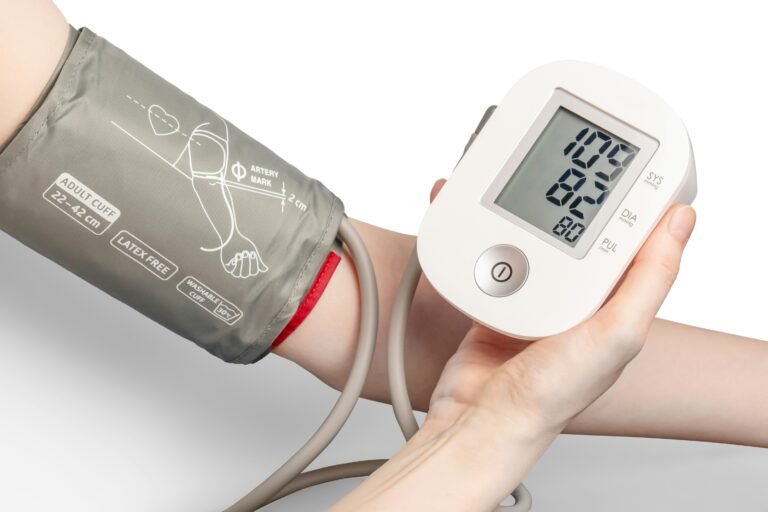
7. Increased Heart Rate or High Blood Pressure
Stress activates your body’s “fight-or-flight” response, increasing heart rate and blood pressure.
Pay attention if you experience:
- Heart palpitations
- Chest tightness
- Elevated blood pressure readings
- Feeling constantly “on edge”
If you experience chest pain, severe shortness of breath, or symptoms suggesting a heart attack, seek immediate medical care rather than assuming burnout is the cause.
8. Brain Fog and Poor Concentration
Although primarily cognitive, brain fog often has physical roots related to sleep deprivation and chronic stress.
You may experience:
- Difficulty focusing
- Forgetfulness
- Slower thinking
- Reduced productivity
- Increased mistakes at work
9. Changes in Appetite and Weight
Burnout affects hormones that regulate hunger.
Some people experience:
- Increased cravings for sugary or processed foods
- Emotional eating
- Weight gain
Others may notice:
- Reduced appetite
- Unintentional weight loss
- Skipping meals without realizing it
10. Persistent Exhaustion After Weekends or Vacations
If even a weekend or short vacation doesn’t leave you feeling refreshed, your body may be signaling that deeper recovery is needed.
This often indicates prolonged stress rather than simple tiredness.
How to Recover from Workplace Burnout
Recovering from burnout requires more than taking a day off. Consistent lifestyle changes are often necessary.
Prioritize Sleep
Aim for 7–9 hours of quality sleep and maintain a regular bedtime routine.
Set Healthy Work Boundaries
- Avoid checking emails after work hours.
- Take regular breaks during the day.
- Learn to say no when your workload becomes unrealistic.
Move Your Body
Regular exercise helps reduce stress hormones and improves mood.
Good options include:
- Walking
- Cycling
- Yoga
- Swimming
- Strength training
Eat Balanced Meals
Support your body with:
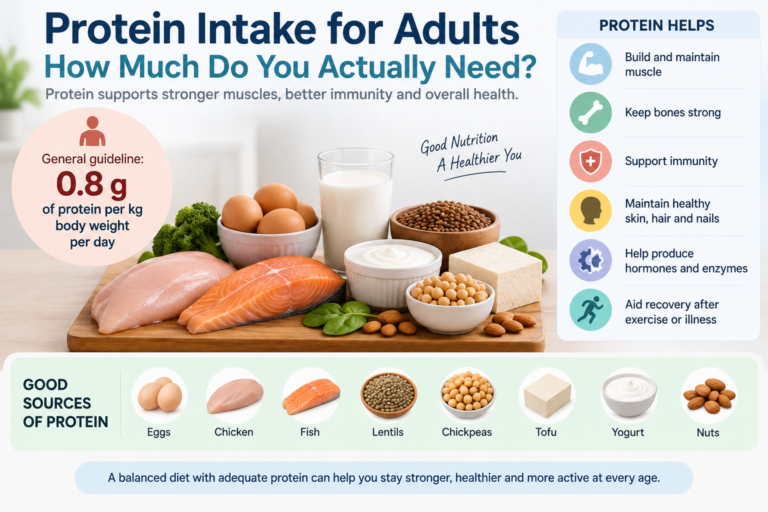
- Lean protein
- Fruits and vegetables
- Whole grains
- Healthy fats
- Plenty of water
Limit excessive caffeine and highly processed foods, especially during stressful periods.
Practice Stress Management
Helpful techniques include:
- Deep breathing
- Meditation
- Journaling
- Spending time in nature
- Talking with supportive friends or family
Ask for Support
If burnout is affecting your work or daily life, consider speaking with:
- Your manager about workload adjustments
- Human resources if workplace support is available
- A healthcare professional or mental health provider
When to Seek Medical Advice
See a healthcare professional if:
- Symptoms last several weeks despite self-care.
- Fatigue becomes severe or interferes with daily activities.
- Sleep problems persist.
- You experience depression, anxiety, or panic attacks.
- Physical symptoms worsen or concern you.
Burnout can overlap with other medical conditions, so persistent symptoms deserve proper evaluation.
Final Thoughts
Workplace burnout isn’t a sign of weakness—it’s often your body’s response to prolonged stress without enough recovery. Paying attention to physical warning signs like constant fatigue, headaches, muscle pain, digestive issues, and frequent illness allows you to take action before burnout becomes more serious.
Your health is one of your greatest assets. By prioritizing rest, setting healthy boundaries, managing stress, and seeking support when needed, you can protect both your well-being and your long-term career.